Sauna Windows: Placement, Glass, and Heat Loss
A numbers-first guide to sauna windows, covering glass types, placement, heat loss, and code considerations for backyard saunas.
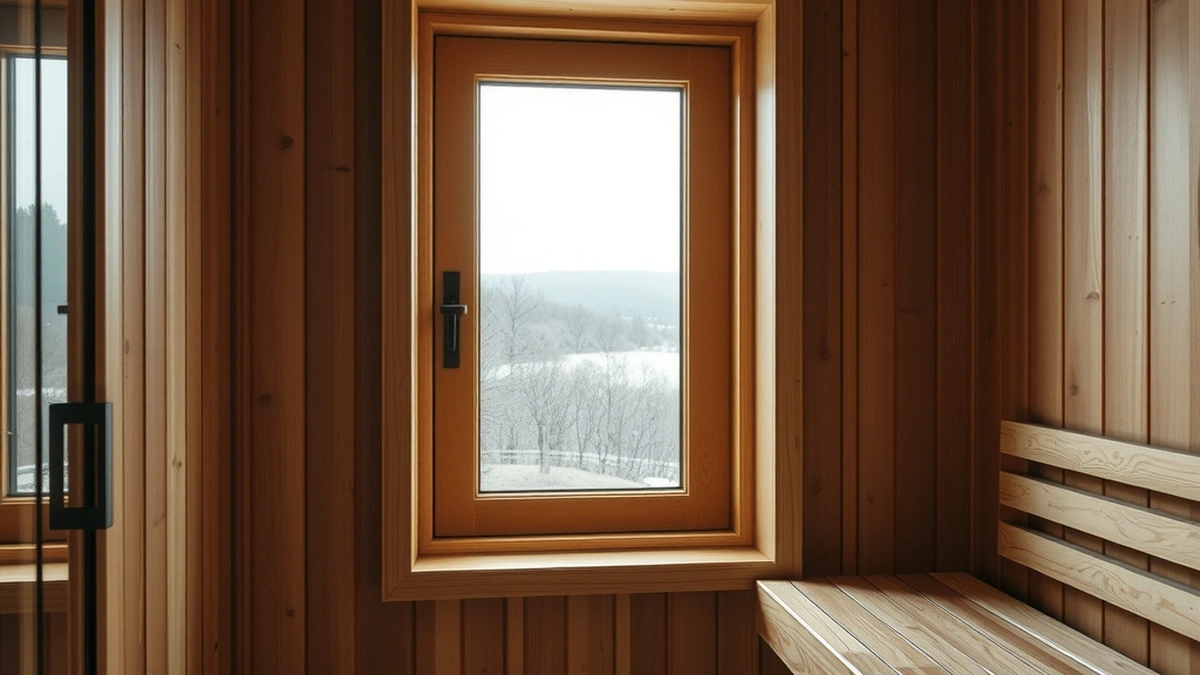
Sauna windows are tempered glass panels installed in sauna walls or doors. They add light and visibility but increase heat loss, so size and placement matter.
- Typical window size
- 12–24 in wide by 18–36 in high
- Glass type
- Tempered, heat-rated sauna glass
- Recommended placement
- Side wall, below bench height, or in door
- Heat loss impact
- Moderate; larger glass = more loss
- Estimated cost
- $150–$450 per window (estimate)
Some links on this page are affiliate links.If you buy through them we may earn a commission at no extra cost to you. We do not accept payment for rankings. Read the full disclosure.
Sauna windows are tempered glass panels installed in sauna walls or doors. They admit daylight and let occupants see outside, but they also increase heat loss compared with an insulated wood wall. Size, placement, and glass rating determine how much performance you trade for the view.
Why Add a Window to a Sauna
A window serves two practical purposes: natural light and spatial awareness. In a backyard sauna, daylight reduces the need for electric lighting during daytime sessions. A window can also make a small sauna feel less enclosed, which matters for new users adjusting to the heat.
The tradeoff is thermal. Wood and insulation resist heat flow better than glass. Every square foot of glass replaces a square foot of insulated wall, so the heater must work harder to maintain temperature. The effect is real but manageable if the window stays modest in size.
Glass Type and Temperature Rating
Sauna windows use tempered glass rated for sustained high temperatures. Standard residential window glass is not designed for sauna conditions and can fail under repeated heating cycles. Tempered glass is stronger and, if it breaks, it fractures into small pieces rather than sharp shards.
Typical sauna glass specifications:
- Thickness: 1/4 inch to 3/8 inch
- Maximum continuous temperature: often rated around 200°F to 240°F, depending on manufacturer
- Frame: wood or metal designed to expand and contract with the sauna
Always confirm the glass rating with the sauna manufacturer before ordering. Using unrated glass is a safety risk and may void the heater or cabin warranty.
Placement and Sizing
Placement affects both comfort and heat retention. Common options include a side wall below bench height, the rear wall opposite the heater, or directly in the sauna door.
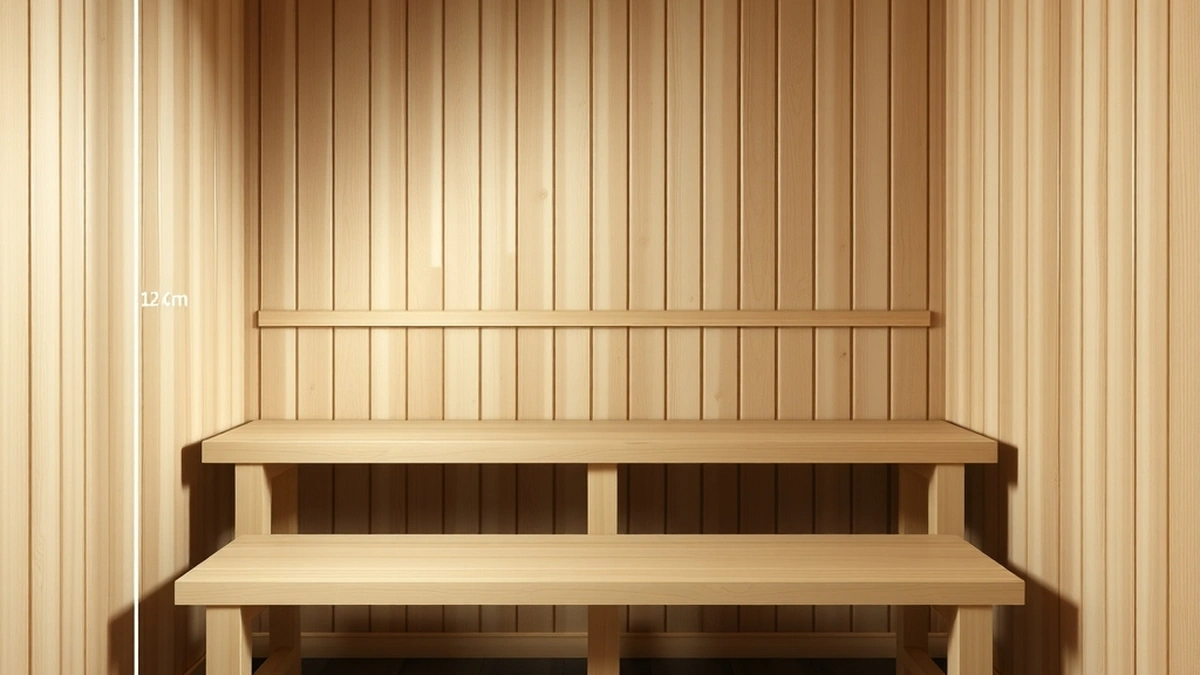
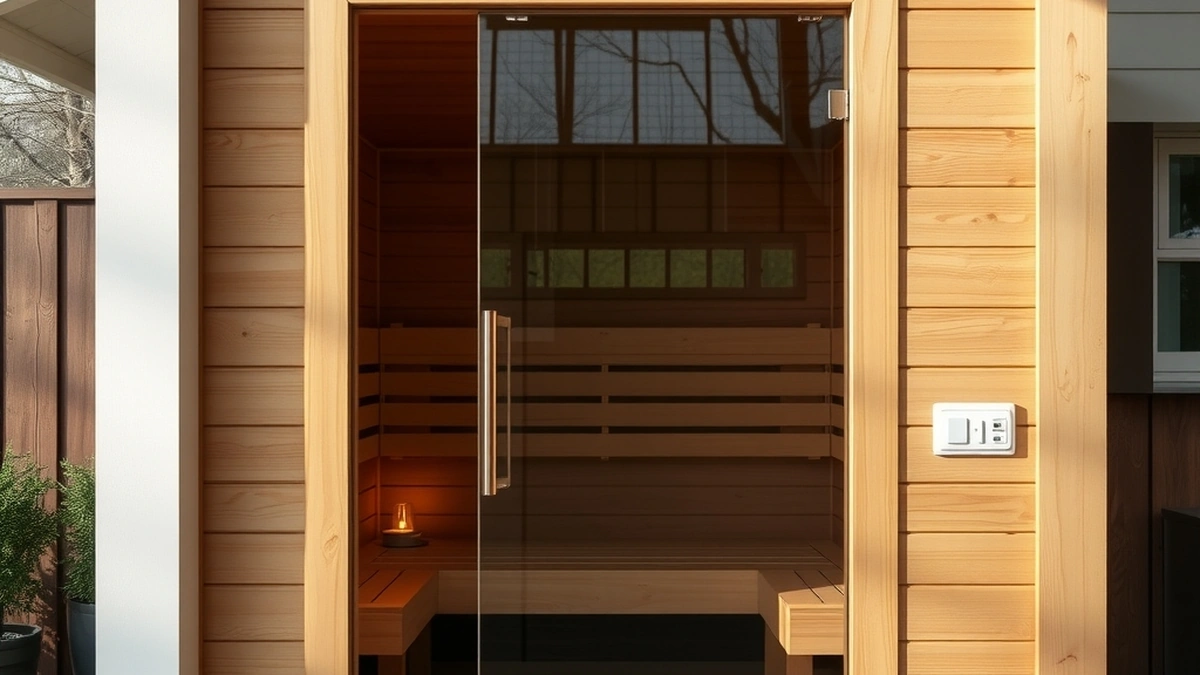
A window at bench height or above places glass at eye level when seated, but it also sits in the hottest part of the sauna. Installing the window lower on the wall, roughly 12 to 18 inches above the floor, keeps it out of the upper heat layer while still admitting light. Door windows are convenient because they replace part of the door rather than cutting into an insulated wall.
Typical window dimensions range from 12 to 24 inches wide and 18 to 36 inches high. A 16-by-24-inch window equals 2.67 square feet of glass. On an 8-by-8-foot sauna with four 8-foot walls, that wall area totals 256 square feet before subtracting the door. Replacing 2.67 square feet of wall with glass removes about 1% of the insulated surface. That is a small penalty, but doubling the window area doubles the impact.
Heat Loss and Heater Sizing
Glass loses heat faster than wood and insulation, so a large window can push a heater closer to its limit. The exact loss depends on glass thickness, outdoor temperature, and sauna air temperature, but you can estimate the scale.
Assume a sauna maintains 180°F indoors while it is 40°F outdoors. The temperature difference is 140°F. If a wall section has an R-value of 10 and a window has an effective R-value of 2, the window transfers heat at roughly five times the rate of the same area of wall.
For a 2.67-square-foot window:
- Wall heat transfer estimate: 2.67 sq ft × 140°F ÷ R-10 = 37.38 BTU per hour (rough estimate)
- Window heat transfer estimate: 2.67 sq ft × 140°F ÷ R-2 = 186.9 BTU per hour (rough estimate)
- Difference: approximately 149.52 BTU per hour (rough estimate)
That difference is modest for a properly sized heater. Most residential sauna heaters range from 6,000 to 12,000 watts, or roughly 20,000 to 41,000 BTU per hour. An extra 150 BTU per hour is unlikely to require a heater upgrade on its own.
However, if you install four windows totaling 10 square feet of glass, the estimated difference rises to roughly 560 BTU per hour. At that point, confirm your heater has enough margin, especially if the sauna sits outdoors in a cold climate. You can compare heater options in our guide to the best sauna heater.
Cost Estimates
Sauna window pricing varies by size, glass thickness, and whether the window is factory-installed or retrofitted. Estimates below assume a standard tempered sauna window with frame:
- Small door window, 12 by 18 inches: $150 to $250 (estimate)
- Standard wall window, 16 by 24 inches: $250 to $350 (estimate)
- Large wall window, 24 by 36 inches: $350 to $450 (estimate)
- Professional installation labor: $100 to $250 per window (estimate)
Retrofitting a window into an existing sauna costs more than ordering it factory-installed because the wall must be cut, framed, and sealed after construction. If you are choosing between barrel and cabin styles, note that cabin saunas generally offer flatter walls that are easier to window. Our comparison of barrel vs. cabin sauna covers wall construction differences.
Privacy and Safety
A backyard sauna is often visible from neighboring properties or the street. A window facing a neighbor’s yard may create privacy concerns. Frosted or tinted tempered glass reduces visibility while still admitting light. Placing the window on a wall that faces a fence or landscaping is another option.
Safety placement matters too. Do not install a window where a bather could lean against it while exiting the bench, and keep it clear of the heater clearance zone. Heater manufacturers specify minimum distances from combustible surfaces and glass; those clearances exist to prevent radiant heat from cracking the glass or igniting nearby materials.
Electrical work for the sauna heater, lights, or any powered vent near the window should follow NFPA 70, the National Electrical Code, and local amendments. If you are adding a new circuit or panel, consult a licensed electrician. Our overview of sauna heater electrical requirements covers the basics, and NFPA 70 provides the national standard.
Permits and Code
Whether a sauna window requires a permit depends on your jurisdiction and the scope of work. Replacing a door with a pre-framed glass door may be treated differently than cutting a new opening into an exterior wall. Some areas classify outdoor saunas as accessory structures with minimal oversight; others require permits for any structure with electrical connections.
Check your local building department before cutting into a sauna wall. If you are planning a new sauna from scratch, our article on backyard sauna permits walks through common requirements.
Maintenance
Sauna windows require little maintenance, but the seal between glass and frame deserves periodic inspection. Heat cycles cause wood to expand and contract, which can loosen caulking or gaskets over time. A loose seal lets moist sauna air escape into the wall cavity, where it can condense and cause rot.
Clean the glass with a non-abrasive cloth and avoid harsh chemical cleaners that could damage seals or frame finishes. Inspect the frame annually for gaps, and re-caulk with a high-temperature, moisture-resistant sealant if needed.
Bottom Line
Sauna windows are worth considering if you want daylight and a less enclosed feel, but they are not free thermally. Keep the total glass area modest, use tempered heat-rated glass, place the window below bench height or in the door, and confirm your heater has enough margin for the added loss. For most backyard saunas, a single 16-by-24-inch window adds cost and complexity without forcing a heater upgrade, provided the rest of the enclosure is well insulated.
If you are still choosing a sauna model, our roundup of the best barrel sauna includes options with factory window configurations.
Frequently asked questions
Can I put a window in a sauna wall?
Yes. Many sauna models include optional wall or door windows made of tempered, heat-rated glass sized for sauna temperatures.
What type of glass is used in sauna windows?
Tempered glass rated for high heat is standard. Regular window glass is not suitable for sauna use.
Do sauna windows cause heat loss?
Yes. Glass insulates less than wood or insulation, so larger windows increase heat loss and may require a slightly larger heater.
Where should a sauna window be placed?
Common placements include the side wall below bench height or within the sauna door, avoiding direct contact with benches or heaters.
How much does a sauna window cost?
Prices vary by size and manufacturer, but estimates often fall between $150 and $450 per window.
Do I need a permit for a sauna window?
It depends on your local jurisdiction and whether the sauna is new construction or an alteration; check local building rules.
Sources
Some links are affiliate links.If you buy through them we may earn a commission at no extra cost to you. We do not accept payment for rankings. Read the full disclosure.