How to keep cold plunge water clean
A practical cold plunge water-care routine: filtration, sanitizer choice, pH, testing frequency, water changes, and the mistakes that turn a tub green.
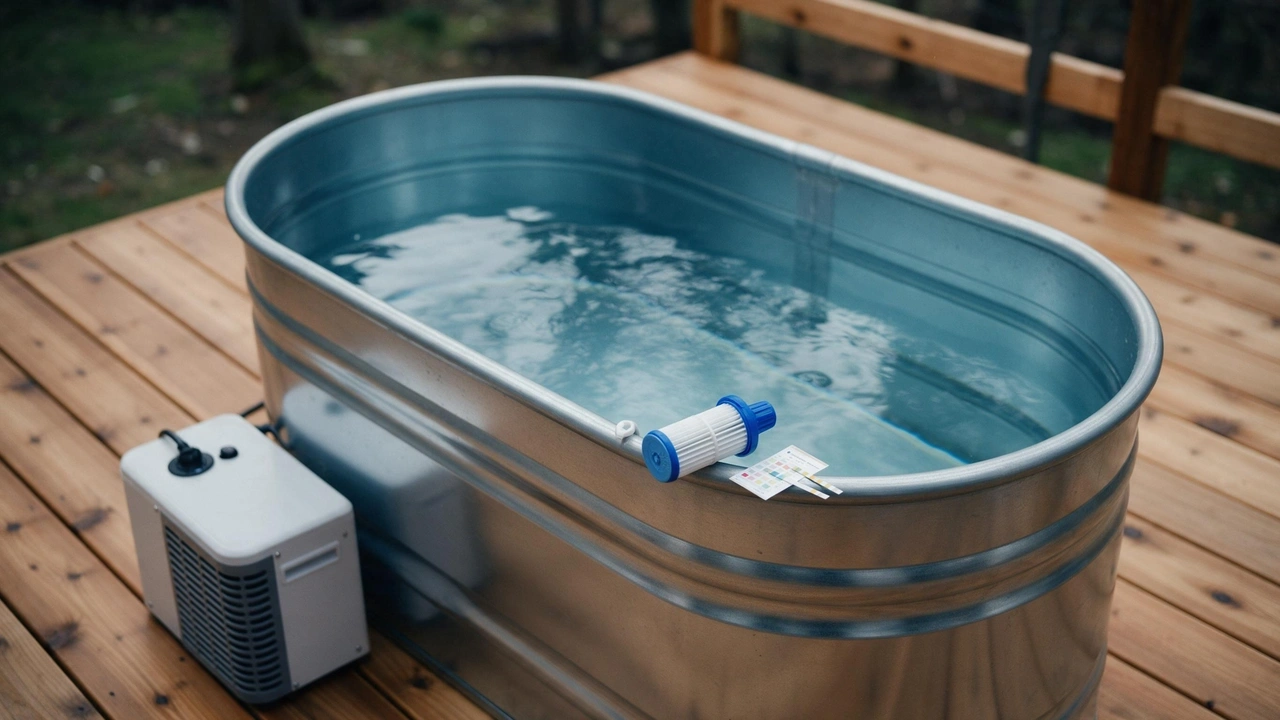
Clean cold plunge water needs filtration (20–50 micron), a sanitizer residual, and regular water changes. Test twice a week, keep pH 7.2–7.8, shock weekly, and change the water every 2–4 weeks without a full treatment system.
- Filtration
- 20–50 micron cartridge or pleated filter
- Sanitizer
- Chlorine, bromine, hydrogen peroxide, ozone, or UV
- pH target
- 7.2–7.8
- Test frequency
- 2–3 times a week
- Water change
- Every 2–4 weeks without a treatment system
Some links on this page are affiliate links.If you buy through them we may earn a commission at no extra cost to you. We do not accept payment for rankings. Read the full disclosure.
| Chlorine | Hydrogen peroxide | |
|---|---|---|
| Residual protection | Yes, measurable | Short-lived, needs dosing |
| Skin feel | Drying for some | Gentler for most |
| Testing | Free chlorine + pH | Test strips |
| Cost | Low | Moderate |
| Best for | Shared tubs, warm water | Solo tubs, frequent changes |
A cold plunge is a small body of water that collects sweat, skin cells, oils, and whatever the last person tracked in. Cold slows bacterial growth; it does not stop it. The tubs that stay clear are the ones with a routine, not the ones with the most expensive chiller.
The three jobs of water care
Every cold plunge routine has to do three separate things:
- Remove particles. Hair, skin, and dust are food for bacteria. A 20–50 micron cartridge filter catches most of it.
- Control microbes. A sanitizer residual, ozone, or UV keeps the population down between water changes.
- Replace the water. No filter removes dissolved waste forever. Water changes are part of the system, not a failure of it.
If any one of these is missing, the other two cannot compensate. A great filter with no sanitizer grows biofilm. A strong sanitizer with no filter turns cloudy. Daily shocking with no water change eventually smells like a pool.
Filtration: the part people undersize
A cold plunge needs turnover, not just a filter. The pump should move the full volume through the filter every one to two hours. A 100-gallon tub needs roughly 50–100 gallons per hour of actual flow; a 300-gallon tub needs 150–300 gph.
Use a pleated or cartridge filter rated at 20–50 microns. Clean it weekly — more often if the tub is outdoors or used daily. A clogged filter stops flowing, the sanitizer stops circulating, and the water goes flat even though the test strip looks fine.
Sanitizer: pick one system and dose it correctly
There are four common approaches:
- Chlorine (dichlor or liquid): measurable residual, effective, cheap. Easy to overdose in a small volume; can dry skin.
- Bromine: gentler at higher temperatures, but more expensive and harder to find in small packs.
- Hydrogen peroxide: gentle, no chlorine smell, but short-lived. Needs regular dosing and testing.
- Ozone or UV: excellent supplemental treatment, no residual. They do not replace a sanitizer on their own.
The mistake is mixing systems without understanding the chemistry. Chlorine and hydrogen peroxide neutralize each other. Ozone plus high chlorine is harsh. Pick the system the tub manufacturer supports, and follow its residual target.
pH and testing
Keep pH between 7.2 and 7.8. Low pH corrodes metal parts and irritates skin; high pH reduces sanitizer effectiveness and causes scale. Test sanitizer and pH two to three times a week. After a party or heavy use, test the next morning.
If the water is cloudy, test daily until it clears. Cloudy water is not a cosmetic issue: it means the filter and sanitizer are losing. Do not plunge in it.
The weekly routine
A routine that actually gets followed looks like this:
- After every use: close the lid, run the filter for 30–60 minutes.
- Weekly: clean the filter cartridge, test pH and sanitizer, shock the water, wipe the waterline.
- Monthly: clean the chiller coils if the tub has one, check the pump intake, inspect the lid seal.
- Every 2–4 weeks: change the water, clean the tub walls and floor, disinfect the filter housing.
Write the water-change date on the tub. The calendar is a better reminder than your memory.
Chiller maintenance is part of water care
A chiller keeps the water cold, but its condenser coils collect dust and its evaporator can scale. Clean the coils every one to three months, and descale according to the manual. A dirty chiller runs longer, heats the room, and costs more.
Also check the setpoint. If the tub is holding 45°F instead of 39°F, the chiller is working harder and the water is a better environment for bacteria. Fix the temperature before you add more chemicals.
When to drain and start over
Drain the tub when:
- The water stays cloudy after a shock and a filter change.
- There is a slimy film on the walls or plumbing.
- The smell returns within a day of shocking.
- The water has been unchanged for more than 8 weeks.
- The tub was used by someone with an open wound or a skin infection.
Draining is cheaper than fighting a biofilm you cannot see. Clean the walls with a non-abrasive cleaner, rinse thoroughly, replace the filter, and refill.
A simple shopping list
You do not need a laboratory. A workable kit for a 100–150 gallon tub:
- A 20–50 micron pleated or cartridge filter sized to the pump.
- A sanitizer that matches the tub: dichlor, bromine, or hydrogen peroxide.
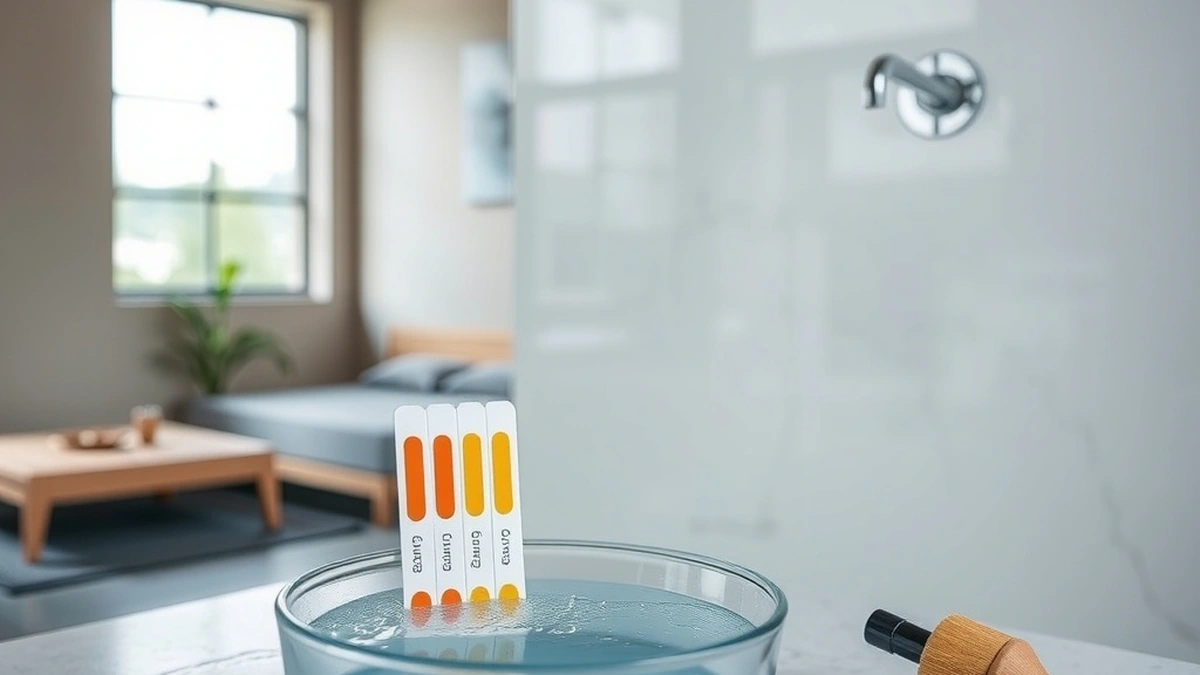
- Test strips for sanitizer and pH.
- A small shock dose for weekly use.
- A soft brush and a dedicated bucket for the waterline and tub walls.
- A spare filter cartridge so you can swap and clean without skipping a week.
If you are still choosing equipment, cold plunge chiller sizing explains why the chiller is not a water-treatment device, and best cold plunge tubs covers the filter and sanitation setup each tub ships with. For the operating cost of the chiller and pump, see cold plunge electricity cost.
The short version
Filter at 20–50 microns, keep a sanitizer residual, hold pH 7.2–7.8, clean the filter weekly, shock weekly, and change the water every 2–4 weeks. The chiller is not a water-treatment device. Treat the water like a small pool, because that is what it is.
How to do it
- Set the filtrationRun a 20–50 micron filter with enough pump turnover to move the full volume every 1–2 hours. Clean the cartridge weekly.
- Balance the waterFill with filtered water, adjust pH to 7.2–7.8, and add sanitizer to the manufacturer's residual target.
- Test twice a weekCheck sanitizer and pH. If the water is cloudy or smells off, test daily until it clears.
- Shock weeklyAdd a shock dose after heavy use, run the pump, and let the residual settle before plunging.
- Change the waterReplace the water every 2–4 weeks without a treatment system, or when the filter cannot keep it clear. Clean the tub and filter housing at the same time.
Frequently asked questions
How often should I change cold plunge water?
Every 2–4 weeks for a simple tub with a cartridge filter and no ozone or UV. With a good treatment system and light use, 6–8 weeks is possible, but testing matters more than the calendar.
Can I use pool chlorine in a cold plunge?
Use the sanitizer the tub manufacturer specifies. Pool chlorine is concentrated and easy to overdose in a small volume; many plunge owners use a small amount of dichlor or a hydrogen-peroxide system instead.
Why does my cold plunge water smell?
Usually biofilm in the plumbing, low sanitizer, or body oils trapped in the filter. Clean the filter, shock the water, and if the smell returns, drain and disinfect the tub.
Is ozone safe for a cold plunge?
Ozone is effective, but it is an irritant and must not be breathed in. Use a unit designed for plunge tubs with proper venting and run it only as the manufacturer instructs.
Do I need a chiller to keep water clean?
No. A chiller controls temperature, not sanitation. Warm water grows bacteria faster, so a chiller reduces the biological load, but you still need filtration and sanitizer.
Can I use the tub if the water is cloudy?
Do not. Cloudy water means suspended matter or bacterial growth. Shock, filter, and if it does not clear within 24 hours, drain and clean the tub.
Sources
Some links are affiliate links.If you buy through them we may earn a commission at no extra cost to you. We do not accept payment for rankings. Read the full disclosure.