Sauna vs cold plunge: which should you buy?
A budget, space, and use comparison of saunas and cold plunges: purchase and install cost, running cost, electrical load, routine, climate, and resale.
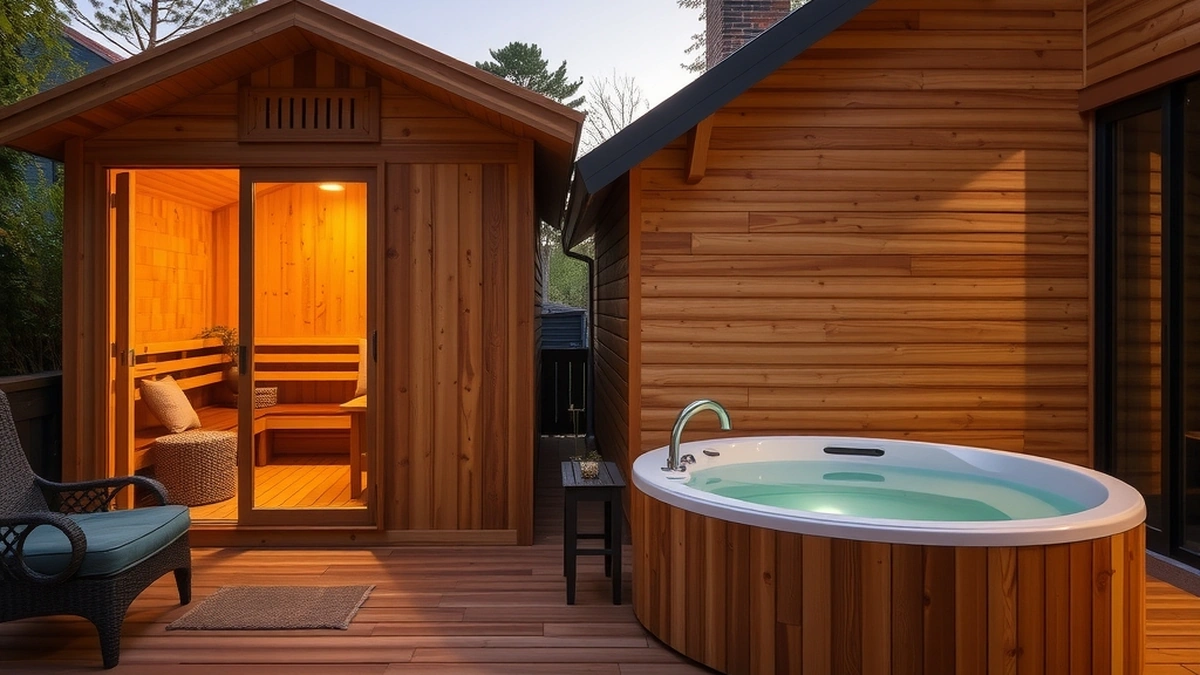
Buy the sauna for warm winter evenings and family sessions; buy the cold plunge for a short recovery habit and a small footprint. Buy both only with the space, budget, and patience for two routines.
- Sauna, installed
- $6,000–$15,000
- Plunge, installed
- $2,000–$15,000
- Sauna electrical
- 240 V, 30–50 A
- Plunge electrical
- 120 V, 15 A
- Best season
- Sauna winter, plunge summer
Some links on this page are affiliate links.If you buy through them we may earn a commission at no extra cost to you. We do not accept payment for rankings. Read the full disclosure.
If you can buy only one, buy the sauna when you want a warm room to sit in through winter, and buy the cold plunge when you want a five-minute habit and your summers are long. Buy both only when you have the footprint and the budget for two machines that work in opposite seasons.
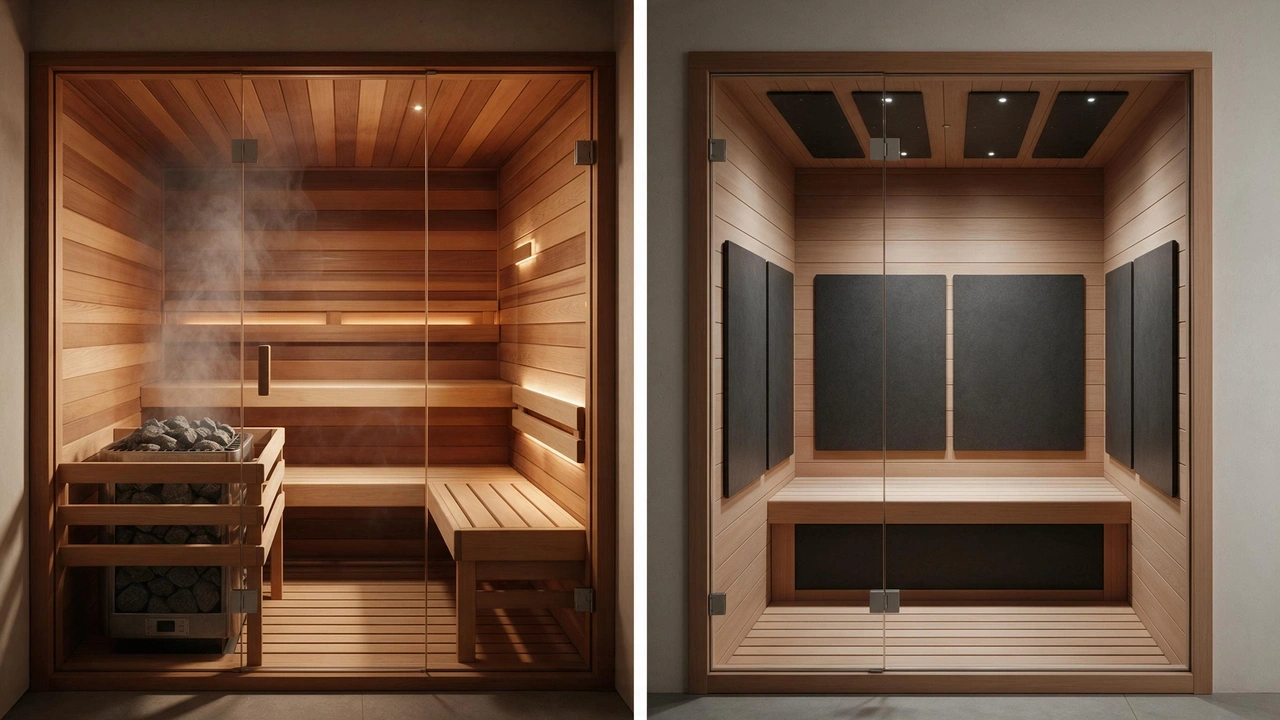
A sauna is a heated room, typically 160–200°F, built around a heater and benches. A cold plunge is an insulated tub held at 39–50°F. They are not competing versions of the same purchase; they are different daily rituals with different site requirements.
Purchase cost
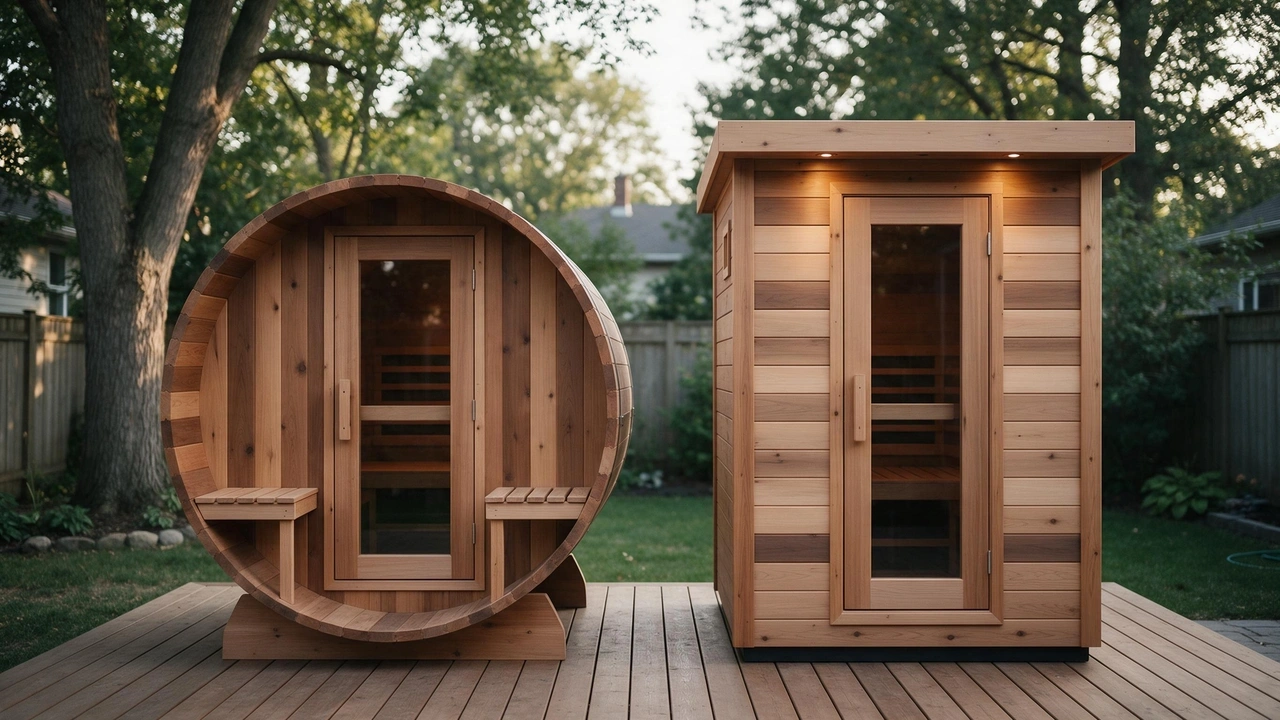
A sauna kit is the larger commitment. A small two- to four-person barrel or cabin kit typically runs $4,500–$8,000, and a six-person cabin runs $7,000–$12,000. Some kits include a heater; some do not. A wood-burning stove can be cheaper than an electric heater, but it adds a chimney and clearance work.
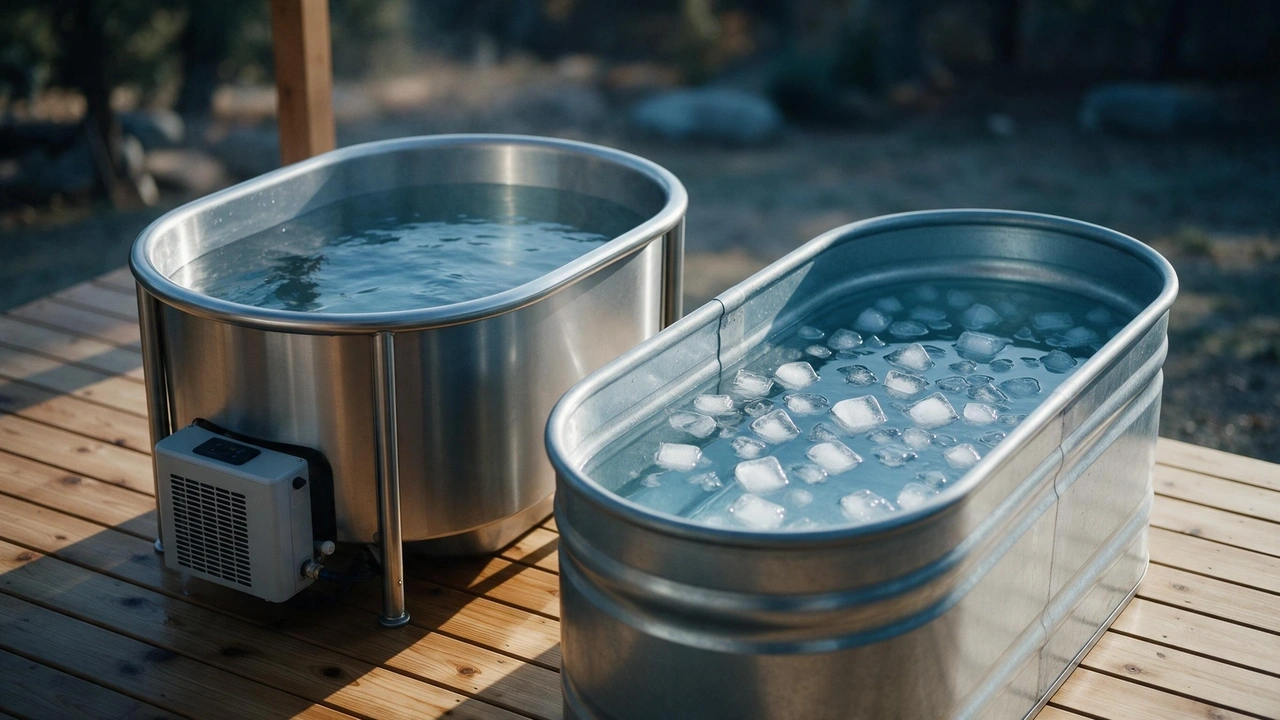
A cold plunge starts lower. A basic inflatable is $100–$200, an insulated tub without a chiller is $1,000–$2,000, and a complete tub-and-chiller system is $6,000–$10,000. Premium cabinets reach $12,000–$15,000. The chiller is the part that moves the price, and it is easy to underestimate.
The honest comparison is installed cost, not sticker price. A $5,300 sauna kit plus a base, an electrician, and a permit can land near $7,000. A $1,150 tub plus a $1,000 chiller, hoses, and a pad can land near $2,300. Both numbers are in sauna installation cost and cold plunge cost breakdown.
Install cost and site work
A sauna needs a level, drained base, a dedicated 240-volt circuit, and usually a permit. The base can be a gravel pad, a concrete slab, or a deck; budget $300–$2,800 depending on the site. The electrical circuit runs $600–$1,500 in a straightforward location, more if the panel is full or the run is long. A permit adds fees and inspection time.
A cold plunge needs a level surface that can carry the filled weight, a 120-volt outlet, and a drain path. That is a much smaller project. The electrical work can be as little as a dedicated GFCI outlet near the patio. The heavy part is the water: a 100-gallon tub weighs over 1,000 pounds filled, so a raised deck may need an engineer’s review.
If you are renting or plan to move, the plunge wins on portability. A sauna is a structure; moving it is a project.
Running cost
Run the arithmetic on your own electricity rate. At 18¢ per kWh:
- Sauna: a 6 kW heater running about two hours uses 12 kWh, or $2.16 per session. Four sessions a week is roughly $35 a month. A cold-climate sauna with a longer preheat or a bigger heater costs more.
- Cold plunge: a 500 W chiller running 12 hours a day uses 6 kWh, or $1.08 a day — about $33 a month. In a hot garage the chiller may run 18 hours, pushing it toward $49 a month. Add a small pump if it runs continuously.
The sauna’s cost is concentrated in the sessions you take; the plunge’s cost is continuous because it holds temperature all month. A plunge used twice a week can cost more to run than a sauna used twice a week, while a sauna used daily costs much more. Sauna running cost and cold plunge electricity cost break down the assumptions.
Space, electrical, and permanence
A six-person sauna is roughly 6 × 6 to 7 × 8 feet, plus clearance for the door, the heater, and a dry place to cool down. Call it 50–80 square feet of yard. A plunge tub is about 3 × 3 feet, plus a chiller cabinet and access, for 15–25 square feet. If your yard is small, the plunge is the only one that fits comfortably.
The electrical difference is just as stark. A sauna heater is hardwired at 240 volts on a 30–50 amp circuit, with a disconnect in sight. A 1/2 HP plunge chiller usually plugs into a dedicated 120-volt, 15-amp GFCI circuit. Both should be installed by a licensed electrician and inspected to local code.
Permanence cuts both ways. A sauna is a fixture: some buyers value it, others see maintenance. A plunge tub is removable, which is good for renters and bad for anyone hoping the purchase adds to the property. Neither is a reliable financial investment.
Daily routine and climate
A sauna session takes planning. The heater needs 30–60 minutes to reach temperature, and a typical visit runs 15–20 minutes per round, often two or three rounds with cooling breaks. The whole ritual is 90 minutes to two and a half hours.
A cold plunge takes two to five minutes, with no preheat. The time goes into maintenance instead: testing, filters, and water changes. That is the trade. The sauna asks for time on the front end; the plunge asks for a routine in the background.
Climate decides which one gets used. A sauna is at its best in winter, when the contrast with cold air is part of the appeal. A plunge is at its best in summer, when the chiller has to work hardest and the relief is immediate. In a hot climate, the plunge gets more use; in a cold climate, the sauna does. If you want both, the shoulder seasons are when the pair earns its footprint.
The seven-row comparison
| Aspect | Sauna | Cold plunge |
|---|---|---|
| Purchase price | $4,500–$12,000 kit | $1,150–$12,800 tub, plus chiller |
| Installation | Base, 240 V circuit, permit | Level pad, 120 V outlet, drain path |
| Running cost | About $35–$45/month at 4 sessions a week | About $33–$50/month year-round |
| Footprint | 50–80 sq ft with clearance | 15–25 sq ft with chiller |
| Electrical load | 240 V, 30–50 A dedicated | 120 V, 15 A dedicated |
| Daily routine | 30–60 min preheat, 90 min visit | 2–5 min session, weekly water care |
| Best season | Winter | Summer |
Choose one: a decision list
- Budget under $3,000 all-in: cold plunge. A tub, a small chiller, and a hose fit the number; a sauna does not.
- No 240-volt circuit and no electrician budget: cold plunge.
- You want winter evenings, family sessions, and heat: sauna.
- You want a five-minute habit and a small footprint: cold plunge.
- You have 100–150 square feet and $12,000+: both, with two circuits and two maintenance routines.
- You rent or may move within two years: cold plunge.
- You have a cardiovascular condition: talk to a clinician before either, and read how cold a cold plunge should be before you set a temperature.
The short version
Buy the sauna for the room and the ritual; buy the plunge for the speed and the small footprint. If budget is limited, the plunge is the cheaper entry and the easier install; if winter use matters more than summer use, save for the sauna. For the shape of the sauna itself, barrel vs cabin sauna covers the two common builds and what each costs to site.
Frequently asked questions
Is a sauna or a cold plunge cheaper to buy?
A cold plunge is usually cheaper at the entry point. A tub and a 1/2 HP chiller can be assembled for about $2,000–$3,000, while a sauna kit with a heater and electrical work typically starts around $6,000. At the premium end, both reach $12,000–$15,000.
Which costs more to run, a sauna or a cold plunge?
A sauna uses more power per session: a 6 kW heater running about two hours uses 12 kWh, or roughly $2.16 at 18¢ per kWh. A 500 W chiller running 12 hours a day uses 6 kWh, or about $1.08 a day. A sauna used four times a week costs about $35–$45 a month; a plunge runs year-round.
Can I put a sauna and a cold plunge in the same backyard?
Yes, if you have roughly 100–150 square feet and two electrical circuits. Keep the plunge a few feet from the sauna door so you can move between them safely, and leave a dry path. Do not run a cord across a wet walkway.
Do I need a permit for a cold plunge?
Usually not for a portable tub, but check with your local building department. A sauna is a structure and often needs a permit, especially with a new electrical circuit. The rules vary by city and by whether the sauna is permanent or movable.
Which is better for recovery?
People use both for recovery and relaxation, and the research is not settled enough to declare one superior. A sauna is easier to share and easier to stay in; a cold plunge is shorter and requires more mental commitment. Choose the one you will use consistently.
Can I use a cold plunge if I have heart problems?
Talk to a clinician first. Cold water causes a rapid rise in heart rate and blood pressure, and people with cardiovascular disease, uncontrolled hypertension, or an arrhythmia should not assume a plunge is safe. A sauna also raises heart rate and needs the same conversation.
Sources
Some links are affiliate links.If you buy through them we may earn a commission at no extra cost to you. We do not accept payment for rankings. Read the full disclosure.