How cold should a cold plunge be?
The practical cold plunge range is 39–50°F, with 45°F the common home setting. Here is how long to stay, how to start, and when to get out.
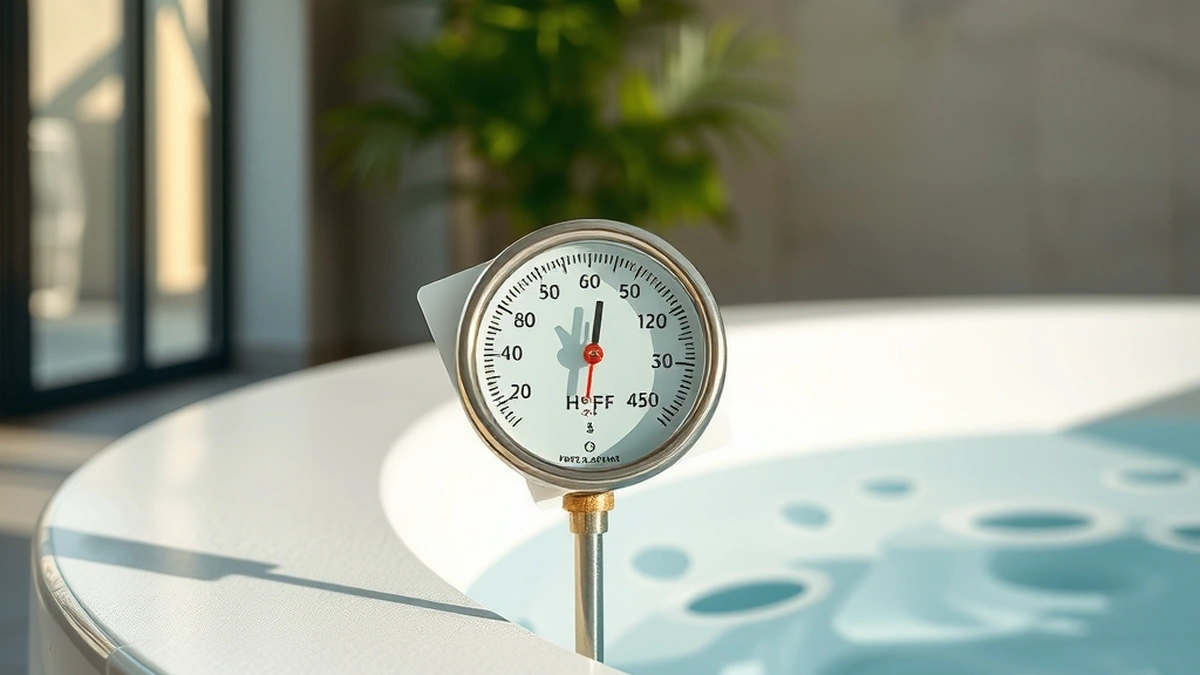
Most home tubs run at 45°F, inside a useful range of 39–50°F. Start at 50°F for 1–3 minutes, lower the setpoint over 4–6 weeks, and get out if you shiver hard, feel dizzy, or go numb.
- Common setting
- 45°F
- Useful range
- 39–50°F
- First session
- 1–3 min at 50°F
- Typical session
- 2–5 min at 45°F
- Frequency
- 2–3 sessions a week
Some links on this page are affiliate links.If you buy through them we may earn a commission at no extra cost to you. We do not accept payment for rankings. Read the full disclosure.
Most home cold plunges run at 45°F. The useful range is roughly 39–50°F, and where you land inside it should depend on your experience, your health, and how long you plan to stay in. Colder is not a score. A 45°F tub you use three times a week beats a 37°F tub you dread.
A cold plunge is brief immersion in cold water, usually below 60°F and most often between 39°F and 50°F for a home tub with a chiller.
The working range: 39–50°F
At 50°F, the water is cold enough to make you gasp but warm enough that most beginners can stay in for a few minutes. At 45°F, the cold is sharp and the session shortens. At 41°F and below, you are managing a strong cold shock response, and at 39°F you are close to ice-bath conditions.
Above 50°F, a tub is a cool bath. It can still be pleasant, but it does not deliver the same cold stimulus, and a chiller holding 55°F is doing very little work. Below 39°F, the margin for error shrinks: cold water pulls heat out of a body quickly, and numbness can hide how long you have been in.
Why 45°F is the common setting
Forty-five degrees sits at the point where the experience is clearly cold, the session is still manageable, and a normal home chiller can hold the setpoint without running constantly. It is also easier to share: a guest can do one minute at 45°F without a full preparation ritual.
The number is a convention, not a rule. Someone who has plunged for a year may prefer 41°F. Someone with a lower cold tolerance may do better at 48°F. The right temperature is the one that lets you complete a controlled session and warm up normally afterward.
Temperature versus session time
The colder the water, the shorter the session. The ranges below are typical recreational guidance, not targets to beat.
| Water temperature | First sessions | After 4–6 weeks |
|---|---|---|
| 50°F | 1–3 min | 5–8 min |
| 45°F | 1–2 min | 3–5 min |
| 41°F | 1 min | 2–3 min |
| 39°F | 30–60 sec | 1–2 min |
A clock on the wall is more reliable than a feeling. Cold numbs the sense of time, and the last minute often feels longer than the first.
A five-step starting protocol
- Clear it with a clinician if you have a heart condition, uncontrolled blood pressure, or you are pregnant. This is not a formality; cold water changes heart rate and blood pressure within seconds.
- Start at 50°F, not 39°F. Get in up to the shoulders, keep your hands out if they ache, and stay for one to three minutes.
- Get out before you are shivering hard. The goal is a controlled exit, not a test of will. Dry off, dress in layers, and let your body warm up on its own.
- Repeat two or three times a week for two weeks. Consistency teaches your body the response faster than one long session.
- Lower the setpoint by 1–2°F every week or two. Stop where you can still complete a calm two-to-three minute session. There is no need to go below 39°F.
Gradual adaptation
The cold shock response — gasping, rapid breathing, a racing heart — fades with repeated exposure. Most people notice a difference after four to six sessions, and feel more settled after four to six weeks. That adaptation is specific to the temperature and duration you practice, so a 45°F habit does not fully prepare you for 39°F.
Adaptation is not the same as tolerance. You do not need to stay longer as you get better at it. Many regular plungers keep the session at two or three minutes and lower the temperature slowly, or hold the temperature and shorten the session.
Signs to get out
Leave the water if you notice:
- Shivering that starts in the water and does not stop after you dry off.
- Dizziness, light-headedness, or a feeling that the room is tilting.
- Numb hands, feet, or lips, or skin that has turned white or blue.
- Confusion, slurred speech, or trouble making a simple decision.
- Cramping in the hands, feet, or calves.
- Breathing that stays fast and shallow after the first 30 seconds.
- Chest pain, pressure, or a racing heartbeat that does not settle. Seek emergency help for chest pain.
Warm up slowly. A warm shower, dry clothes, and a blanket are enough for mild shivering. Do not jump into a hot sauna immediately after a cold plunge if you feel dizzy; sit down first and let your breathing settle.
Who should not plunge
Cold water immersion is used for recovery, alertness, and the discipline of a routine. It is not a treatment for any medical condition, and it does not replace care from a clinician.
Talk to a clinician before plunging if you have cardiovascular disease, uncontrolled high blood pressure, an arrhythmia, a history of stroke, or you are pregnant. The same applies if you take medication that affects heart rate or blood pressure. Cold water can trigger a sudden cardiovascular response, and a personal risk assessment is worth more than a general article.
Do not plunge alone, do not plunge after drinking alcohol, and do not combine a plunge with breath-hold work in the water. If you have an open wound or a skin infection, stay out until it heals and the water has been changed.
The short version
Set the tub to 45°F, start at 50°F for one to three minutes, and lower the temperature slowly over four to six weeks. Keep sessions short, get out before the shivering takes over, and treat 39°F as the cold end of the range rather than a goal. For the water side of the routine, read cold plunge water care; for how a tub compares with a bag of ice, see cold plunge vs ice bath. If you are still choosing equipment, cold plunge chiller sizing explains how the setpoint changes run time.
Frequently asked questions
Is 45°F cold enough for a cold plunge?
Yes. Forty-five degrees is cold enough to produce the sharp breathing response and the alert feeling most people are after, while still allowing a two-to-five minute session for a beginner. Colder is not automatically better, and it is harder to do safely alone.
How long should I stay in a 45°F plunge?
Start with one to two minutes and build to three to five minutes over four to six weeks. If you are shivering hard, numb, or thinking about the clock the whole time, the session is longer than it needs to be. Get out while you can still control your breathing.
Should I plunge every day?
Two or three sessions a week is enough for most home users, and it leaves room for recovery. Daily plunging is not required, and it raises the risk of poor sleep, persistent shivering, and cold-related strain. Consistency matters more than frequency.
Is 39°F too cold?
Thirty-nine degrees is at the cold end of the home range and belongs to short sessions after adaptation, not to a first plunge. Below about 39°F you are in ice-bath territory: seconds to two minutes, close supervision, and no pushing through numbness.
Can I cold plunge if I have high blood pressure?
Ask your clinician first. Cold water causes a rapid rise in blood pressure and heart rate, and people with uncontrolled hypertension, heart disease, or an arrhythmia should not assume a plunge is safe for them. This article is general information, not medical clearance.
Why do I shiver after a cold plunge?
Shivering is the body restoring its core temperature after peripheral blood vessels reopen. Mild shivering that settles within a few minutes is common. Shivering that continues, comes with confusion or dizziness, or follows a very long session is a reason to stop, warm up slowly, and seek help if it does not resolve.
Sources
Some links are affiliate links.If you buy through them we may earn a commission at no extra cost to you. We do not accept payment for rankings. Read the full disclosure.