Sauna Wood Types: A Backyard Buyer's Guide
Compare cedar, hemlock, spruce, and other sauna wood types by durability, cost, and heat performance.
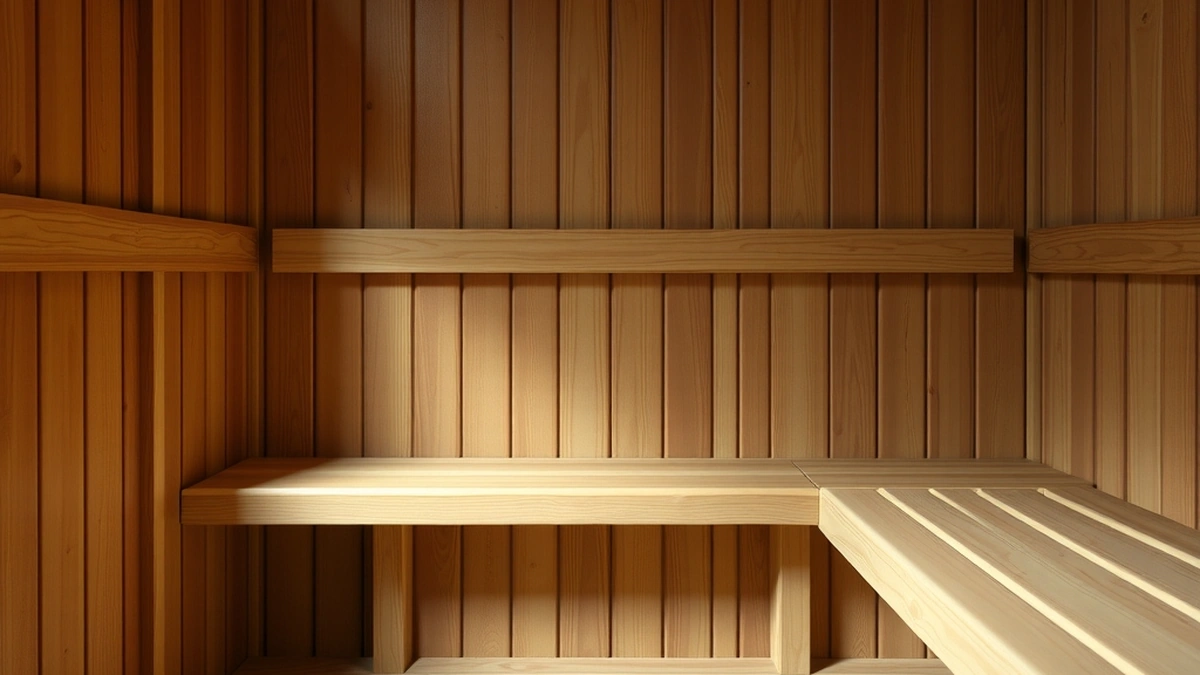
Western red cedar and Nordic spruce are the most common sauna wood types. Cedar resists moisture and costs more; spruce is lighter and typically less expensive.
- Most common woods
- Western red cedar, hemlock, Nordic spruce
- Typical price range
- $2,500–$8,000+ for wood-only sauna kits
- Average lifespan
- 10–20 years with regular maintenance
- Best for humid climates
- Western red cedar
Some links on this page are affiliate links.If you buy through them we may earn a commission at no extra cost to you. We do not accept payment for rankings. Read the full disclosure.
What Sauna Wood Types Are Most Common
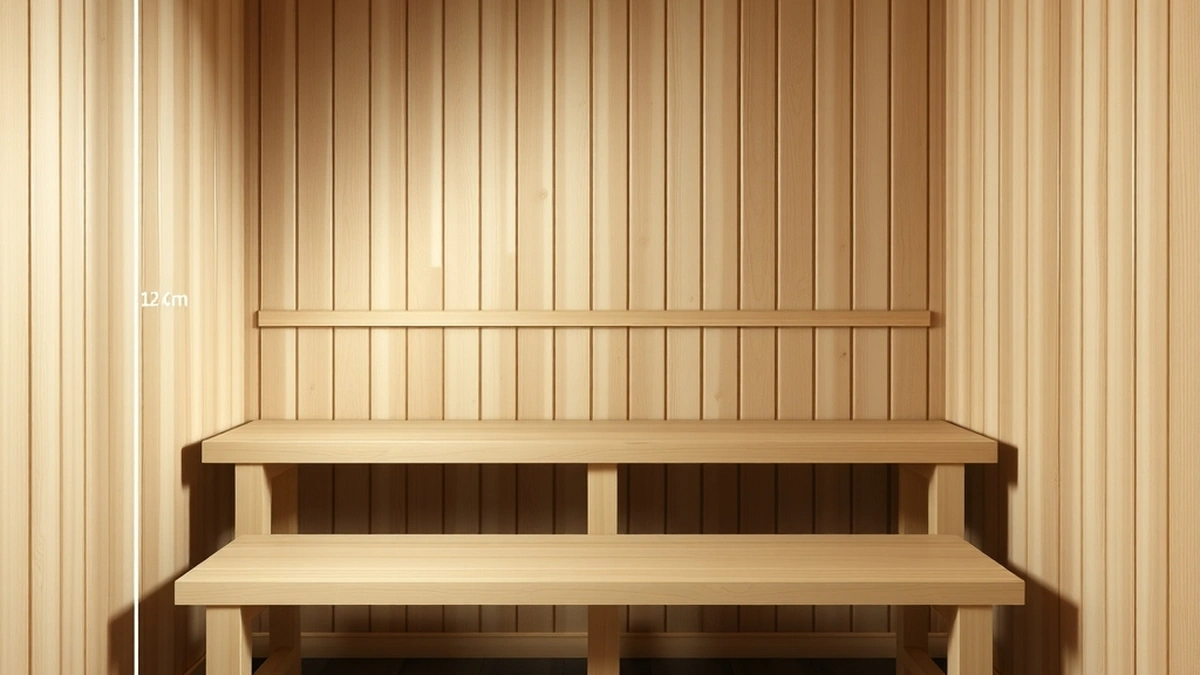
The most common sauna wood types are Western red cedar, hemlock, and Nordic spruce. These softwoods dominate backyard sauna kits because they handle repeated heating cycles without excessive movement or resin bleed. Your choice affects upfront cost, long-term maintenance, and how the sauna feels to sit in, though it does not change how hot the room gets.
Western Red Cedar
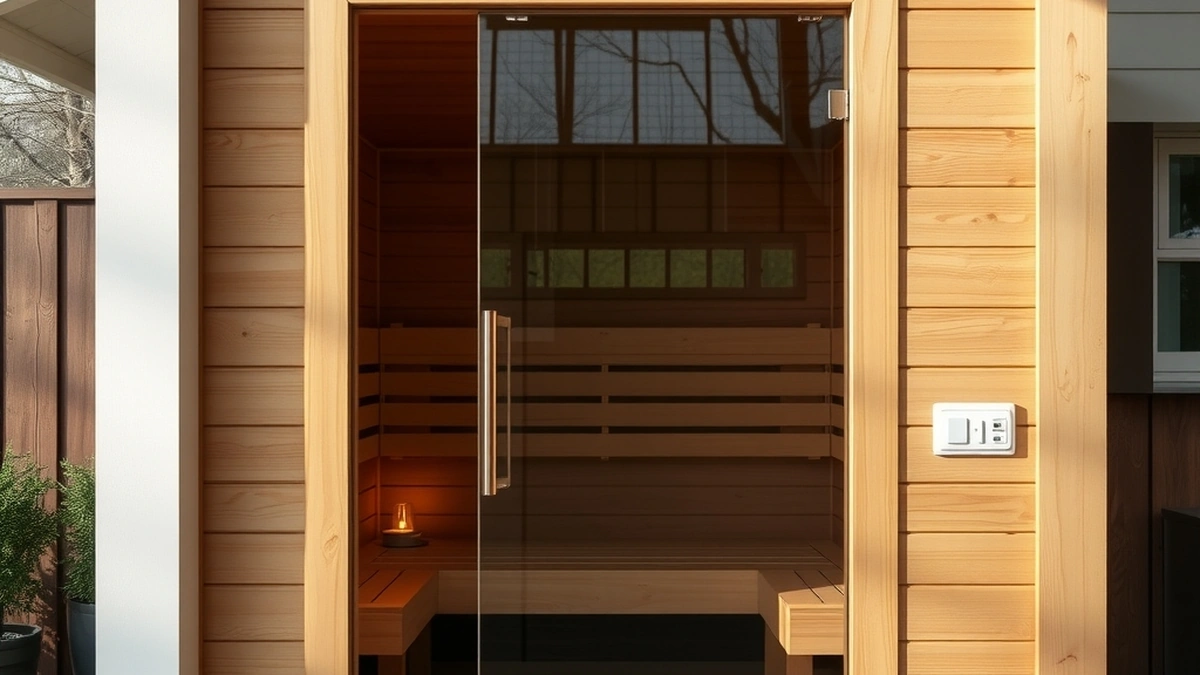
Western red cedar is the traditional choice for outdoor saunas. It contains natural compounds that resist moisture and decay, which matters when a sauna sits exposed to rain and snow. Cedar is also dimensionally stable, meaning it expands and contracts less than many other woods as temperature and humidity shift.
A cedar sauna kit typically costs more than a hemlock or spruce kit. If a base spruce kit lists at $4,000, a comparable cedar kit might list at $5,500 to $6,500, depending on size and thickness. Over a 15-year lifespan, that $1,500 to $2,500 premium works out to roughly $100 to $167 per year in added cost.
Cedar has a noticeable aroma that some users like and others find strong. The scent comes from the wood itself and tends to fade slightly over time, though heat can bring it back.
Hemlock
Hemlock is a light-colored softwood commonly used in indoor sauna rooms. It has less natural decay resistance than cedar, so it is better suited to covered or indoor installations where the wood stays dry. Hemlock is also nearly odorless, which appeals to people who find cedar’s scent overpowering.
Price-wise, hemlock usually sits between spruce and cedar. A 6-foot by 8-foot hemlock sauna room might cost $4,500 to $5,500 as a kit, compared with $4,000 to $5,000 for spruce and $5,500 to $7,000 for cedar. Those figures are estimates and vary by manufacturer, glass area, and heater inclusion.
Hemlock benches and walls can hold up well for 10 to 15 years with regular cleaning, but they benefit from prompt drying after each session to prevent surface mildew.
Nordic Spruce
Nordic spruce is a pale, lightweight softwood often used in cabin-style saunas. It is typically the least expensive of the three main options. A spruce kit might start around $3,000 for a small indoor room and reach $5,000 for a larger outdoor model.
Spruce has lower natural resistance to moisture than cedar, so outdoor installations need a roof or shelter and routine maintenance. Expect a service life of roughly 10 to 15 years if the sauna is kept dry and cleaned regularly.
Because spruce is lighter than cedar, it is easier to move during assembly. A typical 8-foot spruce bench plank might weigh 12 to 18 pounds, while a comparable cedar plank could weigh 18 to 25 pounds. That difference matters if you are carrying materials into a backyard without vehicle access.
Wood Thickness and Bench Load
Sauna walls and benches usually use nominal 1-inch or thicker lumber. Thicker planks hold heat longer at the surface but take more time to warm up initially. A 2-inch cedar bench will feel warmer to the touch sooner than a 1-inch spruce bench after the heater has been running for 30 minutes, though both reach similar surface temperatures after an hour.
Bench load matters for safety and comfort. A standard sauna bench spans 16 to 24 inches between supports. If you build a bench 24 inches wide and 72 inches long using 2-inch spruce planks, the wood itself might weigh 40 to 60 pounds. Add two adults at 180 pounds each, and the live load reaches roughly 400 to 420 pounds. Supports should be rated for at least double that, or about 800 pounds, to allow a safety margin.
Wall thickness also affects insulation needs. A 1-inch wood wall has an approximate R-value of 1.25 per inch, so a 1-inch wall contributes roughly R-1.25. That is minimal compared with proper insulation behind the wall, which is what keeps heat inside the room.
Cost Arithmetic by Wood Type
Wood choice changes the material budget, but the heater, electrical work, and base often cost more than the lumber. Consider a 6-foot by 8-foot outdoor sauna:
- Spruce kit: $4,000 estimate
- Hemlock kit: $4,750 estimate
- Cedar kit: $6,000 estimate
Electrical hookup for a 240-volt sauna heater commonly runs $800 to $1,500, depending on distance from the panel and local labor rates. A concrete pad or gravel base might add $500 to $1,200. If you choose cedar over spruce, the added kit cost is roughly $2,000. Spread over 15 years, that is about $133 per year before maintenance.
You can view heater options at /best-sauna-heater/ and compare barrel and cabin layouts at /barrel-vs-cabin-sauna/. If you are checking local requirements before buying, see /backyard-sauna-permits/.
Maintenance Expectations
All sauna wood needs routine care. Sweat and moisture soak into benches, so wiping surfaces after each session extends life. A light sanding once or twice a year removes rough spots and discoloration. Avoid paint or varnish on interior sauna surfaces; coatings can trap moisture and become sticky when hot.
Cedar requires the least chemical maintenance because of its natural durability. Hemlock and spruce benefit from more diligent drying, especially in humid climates. If you notice black spots on benches or walls, that is usually surface mildew from trapped moisture, not structural rot.
Where Wood Fits in the Build
Wood is the visible part of a sauna, but it is not the most important performance factor. Heater size, insulation, door seals, and ventilation determine how quickly the room reaches temperature and how evenly heat distributes. A cedar sauna with an undersized heater will feel cooler than a spruce sauna with a properly sized heater.
For a backyard sauna, match the wood to your climate and budget. Cedar suits exposed outdoor sites. Hemlock works well under a roof or inside a garage. Spruce fits tight budgets if you are willing to maintain it. You can explore complete sauna options at /best-barrel-sauna/ and /best-cabin-sauna/ if you are ready to compare specific models.
If your project includes a cold plunge nearby, keep wood and water separate. Splash from a plunge tub can saturate sauna benches and shorten their life. For tub options, see /best-cold-plunge-tub/, and for chiller sizing, see /best-cold-plunge-chiller/.
Next, compare backyard sauna permits, barrel vs cabin sauna, best barrel sauna. before you commit.
Frequently asked questions
What is the most important measurement?
Start with the ceiling or clearance number; it decides which systems can fit.
What does a typical project cost?
Costs vary by system and site access; the guide shows the line items and a planning range.
Can I install this myself?
Some tasks are DIY-friendly, but structural, electrical, and load-bearing work should be done by a licensed professional.
How long does installation take?
A simple setup is a weekend; a full build with electrical or structural work can take several weeks.
What should I check before buying?
Confirm dimensions, load ratings, and the manufacturer's installation requirements for your exact model.
Where can I find local help?
Ask a licensed contractor or installer who has worked with the same system and can inspect your site.
Sources
Some links are affiliate links.If you buy through them we may earn a commission at no extra cost to you. We do not accept payment for rankings. Read the full disclosure.