Sauna Stones: Types, Care, and Replacement
A guide to choosing, maintaining, and replacing sauna stones for electric and wood-burning heaters.
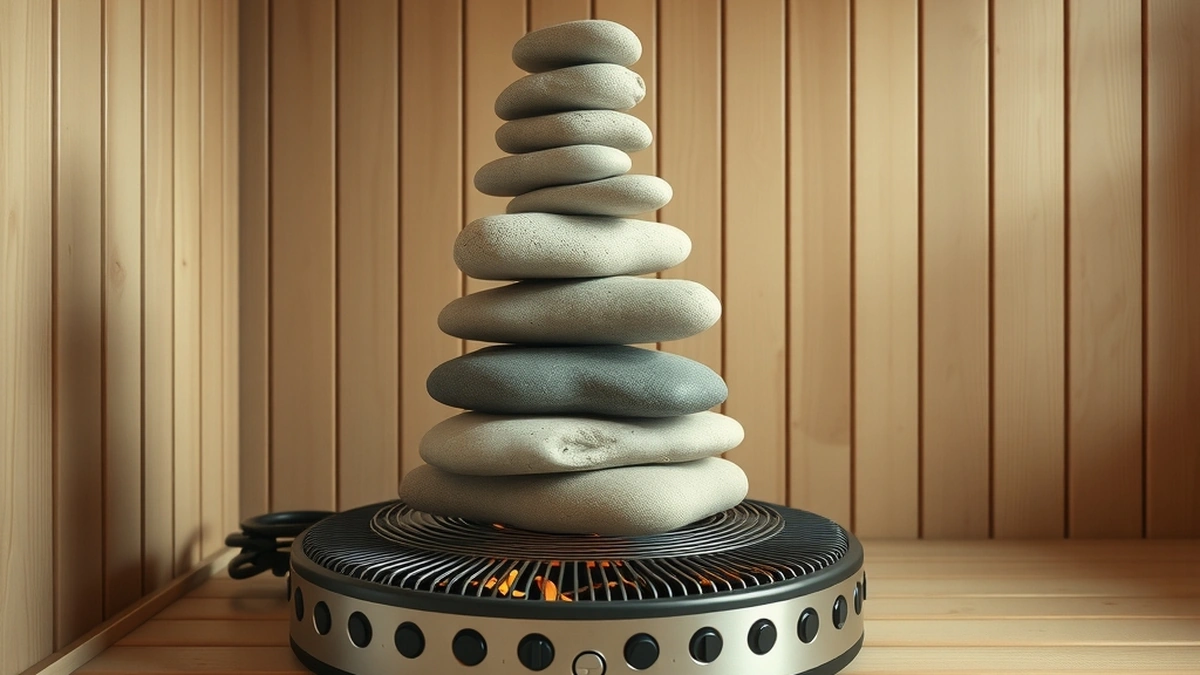
Sauna stones are heat-retaining rocks placed on a sauna heater to store and radiate heat. Replace them when they crack or crumble.
- Material
- Olivine or peridotite
- Heater placement
- On top of heating elements
- Replacement interval
- Every 1–2 years
- Typical cost
- $20–$60 per box
Some links on this page are affiliate links.If you buy through them we may earn a commission at no extra cost to you. We do not accept payment for rankings. Read the full disclosure.
Sauna stones are dense, heat-retaining rocks placed on top of a sauna heater. They absorb heat from the elements or fire and radiate it into the room. Water poured over the hot stones creates steam, which raises the humidity in the sauna.
What Sauna Stones Are
Sauna stones are typically made of olivine or peridotite. These igneous rocks have a dense grain structure that resists thermal shock, meaning they can heat up and cool down repeatedly without breaking apart. Stones sold for sauna use are usually washed and sized to fit a heater’s rock tray.
Backyard rocks, river stones, or decorative gravel are not suitable. They may contain trapped moisture or minerals that can cause the stone to pop, crack, or explode when heated. Only use stones sold specifically for sauna heaters.
Stone Placement and Heater Load
Stones sit directly on the heating elements in an electric sauna heater, or around the fire chamber in a wood-burning heater. The stones do not generate heat; they store it and release it slowly into the sauna room.
Placement matters for airflow. If stones are packed too tightly, air cannot circulate through the heater, which can strain the elements and reduce heating efficiency. If stones are piled too loosely, they may shift and contact exposed wiring or heating elements.
Most residential electric sauna heaters range from 4.5 kW to 9 kW. Stone capacity varies by model, but a typical 6 kW heater might hold 40 to 60 pounds of stone. Follow the manufacturer’s listed stone weight rather than filling the tray to the top.
Choosing Stone Size
Sauna stones are sold by size grade, often described as small, medium, or large. Smaller stones provide more surface area for water to hit, which can produce a sharper burst of steam. Larger stones retain heat longer but offer less surface area per pound.
A common approach is to place larger stones at the bottom of the tray and smaller stones near the top. This helps water reach hot surfaces while maintaining stable heat storage. Do not crush stones to make them fit; broken edges can create uneven heating and may damage the heater.
Replacement Schedule and Cost
Inspect sauna stones at least once per year. Look for cracks, crumbling edges, or a powdery surface. Stones that break apart should be removed and replaced. With regular use, many sauna owners replace stones every one to two years.
Replacement stone boxes typically cost between $20 and $60 USD, depending on weight and stone type. If a heater holds 50 pounds of stone and a 25-pound box costs $35, the full replacement cost is approximately $70:
25 pounds per box × 2 boxes = 50 pounds $35 per box × 2 boxes = $70
This is an estimate. Actual prices vary by retailer and region.
Cleaning and Maintenance
Between replacements, remove the stones from the heater once or twice per year. Vacuum or wipe out dust and debris from the heater tray and element housing. Check that the stones sit evenly and that no small fragments have fallen between the heating elements.
If you notice reduced steam output or longer heat-up times, the stones may be deteriorating or packed too tightly. Rearranging or replacing the stones often restores normal performance.
Sauna Stones and Humidity
Pouring water over hot sauna stones is the standard way to create löyly, or sauna steam. The stones must be fully heated before water is added. Using a ladle, pour small amounts of water onto the stones rather than dumping a large volume at once. Too much water can cool the stones rapidly and pool at the bottom of the heater.
The amount of steam depends on stone temperature, water volume, and sauna room size. There is no universal measurement for how much water to use; start with a small ladle and adjust based on comfort.
Related Equipment Considerations
Stone selection works alongside heater choice. If you are comparing heater types, the guide at /best-sauna-heater/ covers output sizing and controls. For layout decisions, /barrel-vs-cabin-sauna/ compares common backyard sauna shapes, and /backyard-sauna-permits/ outlines electrical and building considerations that may affect heater installation.
Stone weight also factors into structural planning. A sauna bench, heater, and 50 pounds of stone add meaningful load to a floor. Most residential floors can handle this, but confirm placement with your sauna manual and local building requirements.
Stone maintenance
Stones do not last forever. Repeated heating and cooling causes hairline cracks, and stones that crumble or flake should be replaced rather than topped up. Check the stone bed every few months, remove dust and fragments, and replace missing stones with the same rock type. Do not mix river rock with porous volcanic stone unless the heater manufacturer lists both as acceptable; the thermal mass and airflow differ, and a mismatched bed can overheat the elements.
Final Notes
Sauna stones are a low-cost, replaceable part of the sauna experience. Buy stones sold for sauna use, follow the heater manufacturer’s capacity limits, inspect them annually, and replace them when they show wear. Proper stone care helps the heater run efficiently and keeps the sauna room heating evenly.
Dip & Heat is an independent guide to backyard saunas and cold plunge tubs. We do not make medical claims. Consult a healthcare professional before beginning any heat or cold therapy routine.
Next, compare backyard sauna permits, barrel vs cabin sauna, best barrel sauna. before you commit.
Frequently asked questions
What are sauna stones made of?
Most sauna stones are olivine or peridotite, chosen for dense grain and resistance to thermal shock.
How often should I replace sauna stones?
Inspect annually and replace cracked or crumbling stones, typically every one to two years with regular use.
Can I use rocks from my backyard?
No. Outdoor rocks may contain moisture or minerals that can pop or crack when heated in a sauna heater.
How many stones does a heater need?
Quantity depends on heater model; follow the manufacturer’s stone capacity to avoid blocking airflow.
Do sauna stones affect humidity?
Yes. Water poured over heated stones creates steam, which raises the perceived humidity in the room.
Can I mix different stone types?
It is best to use one uniform stone type and size so heat distributes evenly across the heater.
Sources
Some links are affiliate links.If you buy through them we may earn a commission at no extra cost to you. We do not accept payment for rankings. Read the full disclosure.