Sauna Lighting: Fixtures, Heat Ratings, and Safety
A guide to choosing and installing sauna lighting, including fixture types, heat ratings, and electrical load math.
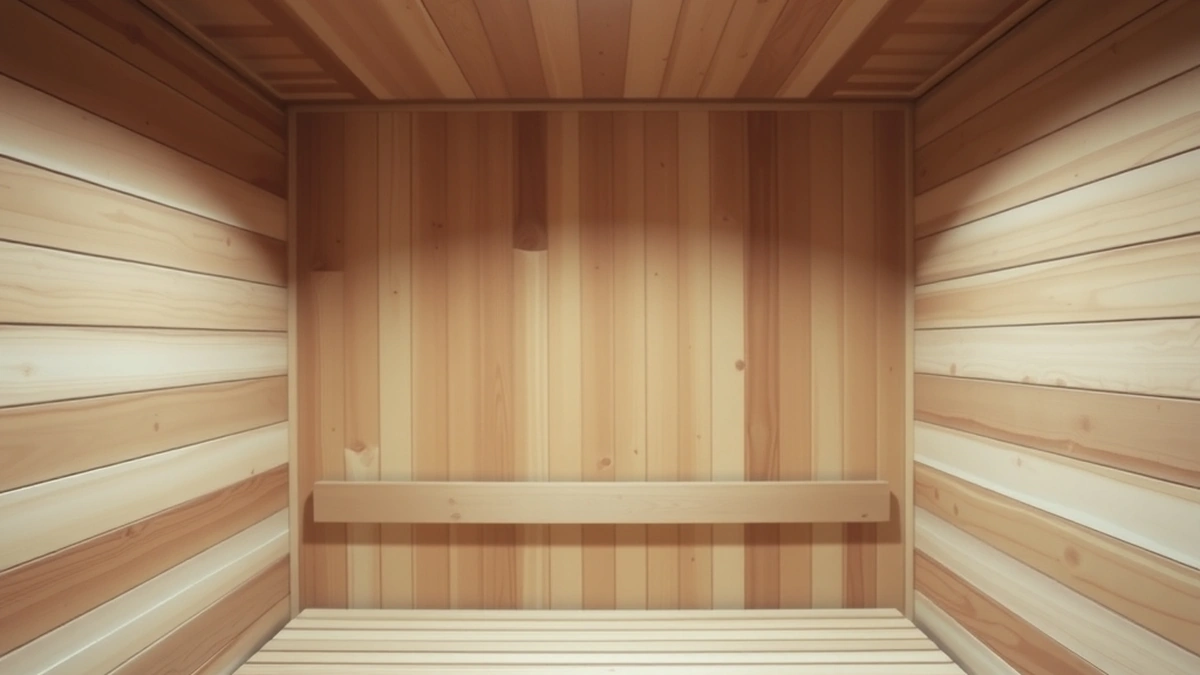
Use heat-rated, moisture-resistant fixtures rated for sauna temperatures. Most small saunas need one low-wattage LED light on a dedicated GFCI-protected circuit.
- Best fixture type
- Heat-rated LED
- Typical wattage
- 5–15 watts
- Circuit requirement
- Dedicated GFCI-protected circuit
- Max ambient rating
- 194°F (90°C) or higher
- Install height
- Above head level, away from heater
Some links on this page are affiliate links.If you buy through them we may earn a commission at no extra cost to you. We do not accept payment for rankings. Read the full disclosure.
Sauna lighting is a low-wattage fixture rated for high heat and humidity, typically mounted on the ceiling or upper wall above bench level. Most residential saunas use one sealed LED unit drawing between 5 and 15 watts. The fixture must be compatible with sauna temperatures and installed on a circuit that meets NFPA 70 and local electrical code.
Why Sauna Lighting Is Different
Standard bathroom or bedroom fixtures are not built for sauna conditions. Temperatures inside a sauna commonly reach 150°F to 195°F, and humidity spikes during löyly. Ordinary plastic housings can deform, and incandescent filaments are fragile under thermal cycling.
A sauna-rated fixture usually combines three elements:
- An LED module that tolerates high ambient temperatures
- A tempered glass or sauna-grade lens
- Gaskets or seals that keep moisture out of the electrical compartment
LED is the practical choice because it produces little radiant heat compared with incandescent or halogen bulbs. A 10-watt LED can produce roughly the same visible light as a 60-watt incandescent while adding almost no heat load to the room.
Fixture Types and Placement
Ceiling-mounted lights are the most common configuration. Placing the fixture above the highest bench keeps it out of the direct radiant zone of the heater and reduces glare for bathers sitting upright. Wall-mounted units are an option when ceiling joists or insulation make ceiling access difficult.
Fiber optic systems place the light source outside the sauna and transmit light through a small lens. This removes heat and electricity from the sauna entirely, but the equipment costs more and requires a dedicated mounting location outside the room.
Strip lighting under benches can work if the strip and driver are both rated for sauna use. Many LED strips are rated for damp locations but not for sustained sauna temperatures, so verify the manufacturer’s maximum ambient rating before purchase.
Electrical Load Math
Sauna lighting draws very little power compared with the heater. The math below uses a typical small sauna configuration.
Assume one 12-watt LED sauna light on a 120-volt circuit:
- Current: 12 watts ÷ 120 volts = 0.1 amps
Even with four fixtures, the lighting load is only 0.4 amps. By comparison, a 6-kW sauna heater on a 240-volt circuit draws:
- Current: 6,000 watts ÷ 240 volts = 25 amps
Because the lighting load is negligible, the circuit decision is driven by code and safety, not by wattage. NFPA 70 generally requires GFCI protection in wet or high-humidity areas, and many jurisdictions require sauna heaters and related equipment to be on dedicated circuits. Lighting may share a circuit with other sauna controls if local code permits, but an electrician should confirm the arrangement.
Estimated material cost for a basic hardwired sauna LED fixture ranges from $60 to $150, excluding labor and any new circuit installation. Battery-operated sauna lights cost less upfront but require regular charging and may not meet code for permanent installation.
Wiring and Safety Considerations
All wiring inside the sauna should use insulation rated for the expected ambient temperature. Standard NM cable is typically not approved for use inside the heated room. Conduit and high-temperature wire are common alternatives, depending on local code.
Junction boxes should be located outside the sauna whenever possible. If a box must be inside, it needs to be rated for the environment and accessible without damaging finishes. Switches are usually placed outside the sauna so bathers do not need to touch controls with wet hands inside the room.
GFCI protection is strongly recommended and often required for sauna electrical circuits. A GFCI breaker or receptacle monitors current imbalance and shuts off power if a fault is detected, which is especially relevant in a room where water is poured over hot rocks.
Permits may be required for new sauna wiring or for connecting a heater and lighting system. Local building departments vary, so check before starting work. More detail on the permitting process is available in our guide to backyard sauna permits.
Matching Light to Sauna Style
Barrel saunas often have curved ceilings and limited flat mounting surface. A small surface-mounted ceiling fixture usually works better than a recessed downlight, which would require cutting into the roof structure. Cabin saunas with flat ceilings offer more flexibility for recessed or surface-mounted options.
If you are choosing between sauna styles, our comparison of barrel versus cabin saunas covers ceiling height, bench layout, and interior volume, all of which affect where a light can be mounted. For product-level recommendations, our roundup of the best barrel sauna models includes notes on interior features and electrical prep.
Light color temperature is a matter of preference. Warm white (2700K–3000K) matches the look of wood interiors and feels neutral in a low-light environment. Cool white (4000K+) can appear clinical and is less common in residential saunas. Dimmable fixtures are useful if you want lower light for evening sessions, but the dimmer must be compatible with the LED driver and located outside the sauna.
Maintenance and Longevity
Sauna lights require minimal maintenance, but the lens should be wiped down periodically to remove condensation and dust. Avoid abrasive cleaners that can scratch tempered glass or damage seals.
Check the gasket annually. If the seal hardens or cracks, moisture can enter the fixture and create a shock hazard or cause early LED failure. Replace the fixture rather than attempting to reseal it yourself unless you are certain of the original rating.
LED lifespans are often rated in tens of thousands of hours, but sauna heat can shorten driver life if the fixture is mounted too close to the heater. Keeping at least 24 inches of clearance from the heater is a reasonable starting point, though manufacturer instructions take precedence.
Lighting and the Broader Sauna Setup
Lighting is one part of the electrical plan. The heater, control panel, ventilation fan, and any audio system all compete for panel capacity and circuit space. If you are adding a sauna to a property that already has a cold plunge, the combined electrical load may influence whether you need a subpanel or service upgrade. Our guides to the best cold plunge tub and best cold plunge chiller cover power requirements for cold equipment, which helps when planning total backyard electrical capacity.
A single well-placed sauna light is enough for most sessions. Avoid over-illuminating the space; saunas are intended to be dim and restful. One fixture centered above the bench, switched from outside, usually provides adequate visibility without disrupting the atmosphere.
Choose a fixture rated for sauna temperature and humidity, confirm the circuit with a licensed electrician, and keep the installation simple. That approach delivers safe, reliable light without adding meaningful heat or cost to the sauna.
Next, compare backyard sauna permits, barrel vs cabin sauna, best barrel sauna. before you commit.
Frequently asked questions
What kind of light works in a sauna?
Use a fixture specifically rated for high heat and humidity, typically an LED sealed behind a tempered glass or sauna-grade lens. Standard household bulbs and recessed trim are not suitable for sauna temperatures.
Can I install sauna lighting myself?
You can mount a fixture, but wiring should follow NFPA 70 and local code. A licensed electrician should handle circuit sizing, GFCI protection, and any new wiring inside the sauna envelope.
How many watts does a sauna light use?
Most sauna LED fixtures draw between 5 and 15 watts. A single 10-watt fixture adds negligible load compared with a sauna heater, which often draws 30 to 60 amps at 240 volts.
Where should the light be placed?
Mount it above bench level and away from the heater, usually on the ceiling or upper wall opposite the heater. This keeps the fixture out of direct radiant heat and reduces glare for bathers.
Does a sauna light need GFCI protection?
Yes. Saunas are wet, high-humidity environments, so the lighting circuit should be GFCI-protected per NFPA 70 and local electrical code. Confirm exact requirements with your local authority.
Can I use a color-changing LED in a sauna?
Only if the entire fixture, including the controller and driver, is rated for sauna heat and humidity. Many RGB controllers are not designed for sustained temperatures above 100°F and should be mounted outside the sauna.
Sources
Some links are affiliate links.If you buy through them we may earn a commission at no extra cost to you. We do not accept payment for rankings. Read the full disclosure.