Cold plunge maintenance schedule
A printable cold plunge maintenance schedule: what to do after every use, weekly, monthly, quarterly, and seasonally, with a task, frequency, and time table.
Run the filter after every use, test sanitizer and pH twice a week, clean the cartridge and shock weekly, clean chiller coils monthly, and change the water every 2–4 weeks. The routine takes about 10 minutes a week.
- After each use
- Filter 30–60 min, close the lid
- Weekly
- Filter, pH, sanitizer, shock, waterline
- Monthly
- Chiller coils, fittings, lid seal
- Quarterly
- Descale chiller, inspect hoses
- Water change
- Every 2–4 weeks
Some links on this page are affiliate links.If you buy through them we may earn a commission at no extra cost to you. We do not accept payment for rankings. Read the full disclosure.
A cold plunge stays clean on a cadence, not on a bottle of chemicals. The schedule below is the minimum that works for a 70–110 gallon tub with a cartridge filter. Add time if the tub sits outdoors, is shared, or runs without a cover.
A maintenance schedule is a fixed list of tasks tied to fixed intervals, so the water gets tested and the filter gets cleaned before either problem shows up.
The cadence at a glance
| Task | Frequency | Time |
|---|---|---|
| Rinse before entry | Every use | 1 min |
| Run filtration | After every use | 30–60 min |
| Close the insulated cover | After every use | 10 sec |
| Test sanitizer and pH | 2–3 times a week | 2 min |
| Clean the filter cartridge | Weekly | 10 min |
| Shock the water | Weekly | 5 min |
| Wipe the waterline | Weekly | 5 min |
| Clean chiller coils | Monthly | 15 min |
| Check fittings and lid seal | Monthly | 5 min |
| Descale the chiller | Quarterly | 45–60 min |
| Change the water | Every 2–4 weeks | 30–45 min |
| Deep clean and winterize | Seasonal | 2–3 hours |
Print the table and keep it where you dry off. The dates matter less than the sequence: filter, test, shock, clean, drain.
After every use
Rinse your body before you get in. Sweat, lotion, and sunscreen are the raw material for cloudy water, and a quick shower removes most of them before they reach the filter.
Run the pump for 30–60 minutes after you get out, then close the cover. This moves the body oils and skin cells that just entered the water through the filter instead of letting them settle on the walls. If the tub has an automatic schedule, set it to run a short cycle after the time you usually plunge.
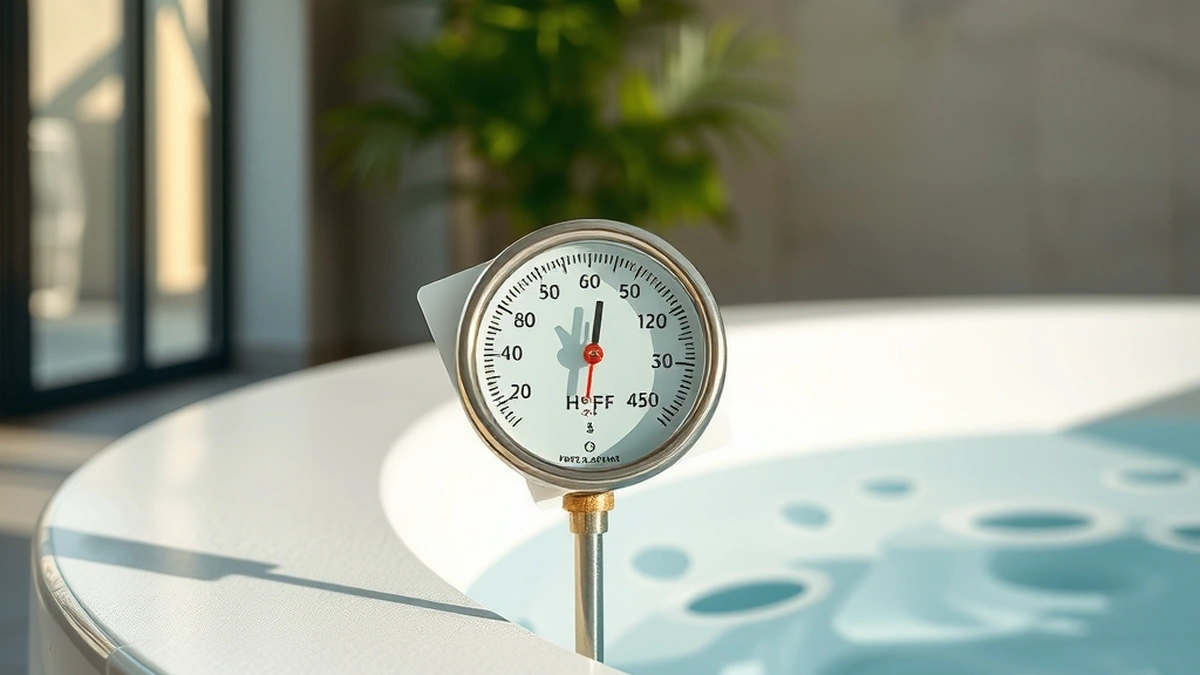
Check the temperature before you close the lid. A tub that has drifted from 45°F to 55°F is a different water-quality problem: warmer water grows bacteria faster and needs more sanitizer.
Weekly
The weekly session is the one that prevents most problems, and it takes about 15 minutes.
- Remove the cartridge and rinse it with a hose until the pleats run clear. If the cartridge is matted or the flow is weak after cleaning, replace it.
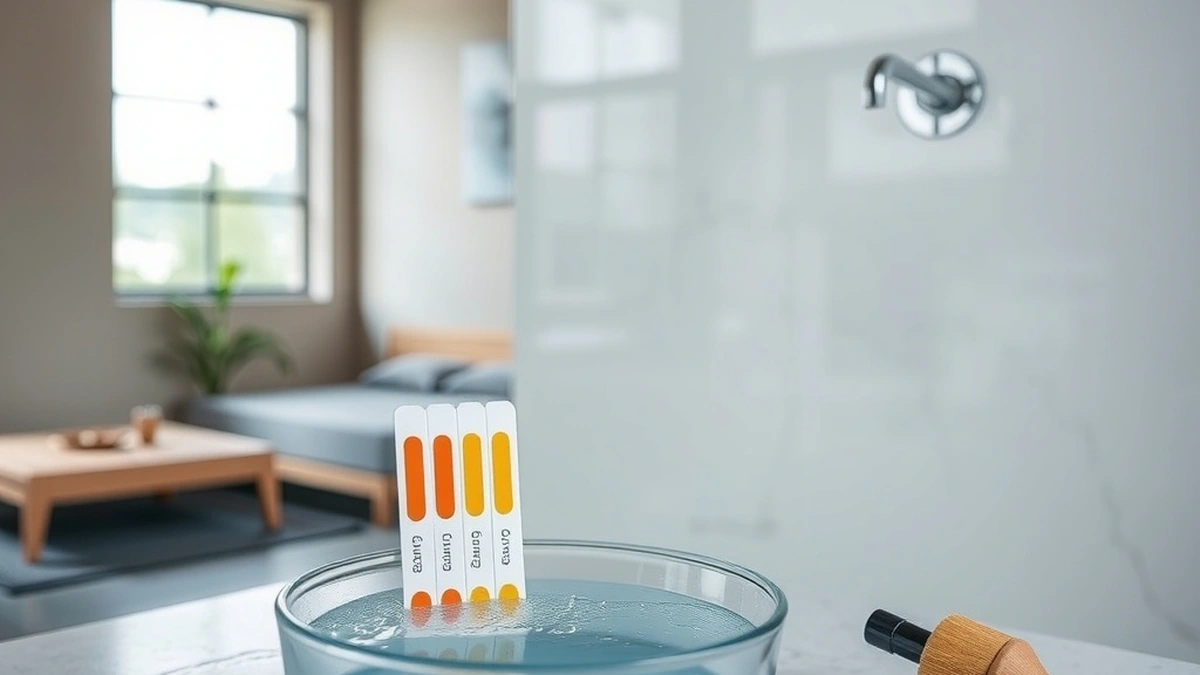
- Test sanitizer and pH. Adjust pH first, then sanitizer, and let the pump mix for 20 minutes before testing again.
- Shock the water after heavy use or once a week as a baseline. Run the pump while it circulates.
- Wipe the waterline with a soft cloth or brush. The ring at the waterline is biofilm, not scum, and it will seed the rest of the tub if you leave it.
- Skim leaves and hair off the surface before they sink and dissolve.
If the water is cloudy, test daily until it clears. Cloudy water means the filter and sanitizer are losing, and it is not a cosmetic issue.
Monthly
Once a month, look at the parts you cannot see from the water side.
Vacuum or brush the chiller coils. Dust on the condenser makes the compressor work harder and run longer. Check the fan for lint and the condensate drain for clogs.
Pull the pump intake screen and rinse it. Inspect the lid gasket for cracks or a flattening seal, and check every hose clamp and quick-connect for weeping. A slow drip under the tub is easy to ignore and expensive to repair once the cabinet is wet.
Test the GFCI outlet if the tub has one. Press the test button, confirm the unit shuts off, and reset it.
Quarterly
Descale the chiller with the manufacturer’s descaler if the manual calls for it. Scale on the heat exchanger reduces cooling capacity the same way dust on the coils does, and it is harder to see.
Inspect the hoses for stiffness, bulging, or cracks, and replace any hose that has lost its shape. Clean the filter housing with a soft brush, not a solvent. Check the drain valve for a slow leak, and confirm the tub still sits level.
Quarterly is also a good time to review your sanitizer doses. If you are adding more than the label suggests to hold a residual, the water change is overdue.
Seasonal
Twice a year, do the longer work: drain, deep clean, and either restart or winterize.
For a restart, drain the tub, wipe the walls and floor with a mild cleaner, rinse thoroughly, clean the filter housing, install a fresh cartridge, and refill. Run the pump and check for leaks before you add sanitizer.
For winter, drain the tub, chiller, pump, and hoses if the tub will sit below freezing. A chiller full of water can crack its exchanger. Store an inflatable dry and out of the sun; trapped moisture and UV are what kill them.
Water change interval and the log
Change the water every two to four weeks for a simple tub with a cartridge filter. With ozone or UV, light use, and consistent sanitizer, six to eight weeks is possible. The calendar is a fallback, not the rule: change sooner after a party, an illness, or a stretch of hot weather.
Keep a one-line log on the lid or in a note on your phone: date, pH, sanitizer reading, filter cleaning, water change. When the water goes cloudy, the log tells you whether you missed a week or the sanitizer system failed.
The full water-chemistry routine is in cold plunge water care. If you are choosing a filter or sizing a pump, cold plunge filtration covers the hardware side, and cold plunge chiller sizing explains why a dirty chiller behaves like an undersized one.
The short version
Filter after every use, test twice a week, clean the cartridge and shock weekly, clean the coils monthly, descale quarterly, and change the water every two to four weeks. Ten minutes a week and one longer session a month keeps a small tub out of the green-water cycle.
Frequently asked questions
How often should I clean a cold plunge filter?
Weekly for a tub used several times a week, and more often if it sits outdoors or has heavy use. Rinse the cartridge with a hose until the pleats run clear. Replace it every three to six months, or sooner if the pleats stay matted or the flow drops.
How often should I shock a cold plunge?
Once a week for a tub with regular use, and after any session with multiple people. Shock oxidizes body oils and sweat that the filter cannot catch. Run the pump while it circulates, and do not get in until the sanitizer reads in range.
Can I skip the weekly water test?
No. A cold tub looks clear long after the sanitizer has dropped below the useful range. Test sanitizer and pH two or three times a week; daily if the water is cloudy, the tub is shared, or the weather has been hot. Test strips are enough for a home tub.
How long does a cold plunge water change take?
Plan 30–45 minutes for a 100-gallon tub. Drain it, wipe the walls and floor, clean the filter housing, rinse, and refill. Have the new filter ready before you start so you are not tempted to reuse a tired cartridge.
Do I need to clean chiller coils?
Yes. Dust and lint on the condenser coils reduce heat transfer and make the compressor run longer. Vacuum or brush the coils every one to three months, and keep the fan side clear. A dirty chiller costs more to run and shortens its life.
What maintenance does an inflatable cold plunge need?
Rinse and dry it after every use, clean it with a mild soap every week or two, and store it dry and out of the sun. Inflatables have no filter or chiller, so the water is changed after every session or two rather than treated.
Sources
Some links are affiliate links.If you buy through them we may earn a commission at no extra cost to you. We do not accept payment for rankings. Read the full disclosure.